Things to Do in Brazzaville in April
April weather, activities, events & insider tips
Low Season · Budget Friendly
April Weather in Brazzaville
Long-run averages for April
90°F (32°C)
High Temp
73°F (22°C)
Low Temp
6.6 inches (168 mm)
Rainfall
82%
Humidity
12
Sunny-Day UV
⚠ Intense afternoon thunderstorms can flood unpaved streets in Bacongo, Poto-Poto, and outlying neighborhoods within minutes. Avoid low-lying areas during and immediately after heavy rain. Do not attempt to wade through standing floodwater, which carries sewage runoff and debris.
⚠ Malaria transmission increases during the wet season across Brazzaville. Begin prescribed antimalarial prophylaxis before arrival. Apply DEET repellent from dusk onward. Sleep under a treated mosquito net even in air-conditioned rooms where window seals may not be complete.
⚠ Unpaved roads throughout the city become slick laterite mud after storms, making walking hazardous and motorcycle taxis considerably more dangerous than in dry conditions. Stick to paved routes when the ground is wet. Allow extra travel time between destinations.
Is April Right for You?
Weigh the advantages and considerations before booking
Advantages
- + The rains transform Brazzaville's red laterite earth and the Congo River corridor into their greenest selves. Mango trees along Boulevard Denis Sassou Nguesso sag with fruit. Bougainvillea climbs every wall it finds. The vegetation flanking the Corniche grows so dense it swallows the fences behind. Photographers get what the dry season never offers: storm-to-golden-hour transitions most afternoons. The saturated color and copper light simply do not exist when flat-season haze takes over. Worth timing your visit for.
- + April sits squarely in off-peak season. In a city never overrun with tourists, this means you are likely the only foreign visitor at the Poto-Poto School of Painting on any given morning. The artists have time to talk. The Brazza Memorial, the Basilique Sainte-Anne, the river promenade: you experience them without competition. Longer conversations result. Unhurried meals follow. You get the rare feeling of a capital city not performing for you. Priceless.
- + Accommodation availability opens up compared to dry-season months. Business travelers and NGO delegations normally fill Brazzaville's limited high-end rooms. You will not find dramatic discounts. This is an expensive capital year-round. Still, the pressure eases. Some properties quietly adjust rates when occupancy drops. Ask directly.
- + Wet season is peak season for Brazzaville's food markets. Marche Total and Marche Poto-Poto overflow with fresh plantains. Palm nuts for moambe sauce pile high. River fish pulled from the Congo that same morning glisten on tables. Cassava leaves reach their most tender after weeks of consistent rain. If the markets drew you here, April delivers. Go early.
Considerations
- − April drops 168 mm (6.6 inches) of rain. Most falls in fierce afternoon thunderstorms. Unpaved side streets in Bacongo and Poto-Poto can flood within minutes. The downpours are warm but violent. Horizontal rain. Close thunder. Laterite mud suddenly ankle-deep. They will strand you indoors for an hour or two most afternoons. Plan around the storms. Ignoring them fails.
- − Humidity runs at 82%. It rarely drops below 75% even after dark. Combined with 32°C (90°F) highs, this is wet heat that soaks through clothing within minutes of stepping outside at midday. Your body adjusts after a couple of days. The first 48 hours feel oppressive if you arrived from a temperate climate. Outdoor walking between 11 AM and 3 PM stays punishing even once acclimatized. Schedule accordingly.
- − Mosquitoes thrive in standing water left by each storm. Brazzaville sits in a year-round malaria zone. April's wet conditions push transmission risk higher than dry-season baseline. Antimalarial prophylaxis is non-negotiable. DEET repellent becomes a twice-daily ritual. Not optional.
Best Activities in April
Top things to do during your visit
Pirogue Excursions on the Congo River and Les Rapides du Djoue
April's high water transforms the Congo River at Pool Malebo into something closer to an inland sea. This is the stretch where the river widens to roughly 11 km (6.8 miles) between Brazzaville and Kinshasa before funneling south into Les Rapides du Djoue. A motorized pirogue ride upriver lets you feel the sheer muscle of the current. You hear the slap of brown water against the wooden hull. Kinshasa's skyline softens into haze behind you. The Djoue rapids thunder in April, swollen by months of rain. Mist rolling off the rocks keeps the heat down. It feels like a different climate from the city you left twenty minutes ago. Morning departures before 9 AM dodge afternoon storms and the worst midday glare. The river smells different in wet season: mineral, green, alive with sediment. Fishermen working the eddies in narrow pirogues maintain a routine predating the city by centuries. This is not a scenic cruise. It is the Congo River at full power, close enough to touch.
Booking Tip: Arrange through licensed river operators at least a week ahead. Insist on life jackets. Demand a motorized pirogue with an experienced pilot who knows current patterns at high water. April's flow rate forgives no shortcuts. Morning departures are best. See current excursion options in the booking section below.
Poto-Poto School of Painting and Neighborhood Art Walk
The Ecole de Peinture de Poto-Poto was founded in 1951 by Pierre Lods in a compound shaded by mango trees. Resident artists still work there. They paint in a style influencing Central African art for seven decades. You smell linseed oil first. You hear brushes on canvas second. April's low visitor numbers mean painters are available for real conversation, not rehearsed explanations. They will walk you through signature Poto-Poto circular compositions. The earth-tone palette draws its reds and ochres from laterite soil outside the compound walls. The neighborhood of Poto-Poto is Brazzaville's densest and most sonically layered quarter. Congolese rumba and ndombolo leak from speakers propped in doorways. Charcoal grills crackle. Woodsmoke drifts between zinc-roofed houses. Market stalls spill onto every available stretch of pavement. After an afternoon storm, puddles on unpaved lanes reflect painted shop facades. The whole neighborhood seems composed for you. Catch it then.
Booking Tip: A guided cultural walk through the neighborhood is worth the investment. You get context. You gain access to studios that do not advertise. Book a few days ahead through a local cultural operator. See current tour options in the booking section below.
SAPE Culture Experience in Bacongo
Bacongo marks the spiritual home of the Societe des Ambianceurs et des Personnes Elegantes. April's Sunday afternoons signal when the sapeurs step outside. These men wear three-piece suits, silk cravats, and Italian leather shoes. Their color combinations would make a Milanese tailor nervous. They walk with theatrical precision down unpaved roads bordered by corrugated-iron fences. The contrast reveals the core philosophy. Elegance becomes resistance. Style defines identity. Appearance speaks louder than politics. You will smell cologne blending with red dust. You will hear bystanders murmur from plastic chairs. You will feel humid air pressing against your suddenly inadequate outfit. This practice grows from colonial roots. It never exists as a staged performance. Your respect dictates what you see. Pack smart. Photograph only with permission. Document less. Listen more. They started long before social media. They will outlast it.
Booking Tip: Cultural guides with personal ties to the Bacongo SAPE community bring you closer to the real practice than random arrivals ever could. Make plans early. Book through a local tour operator at least a week ahead. Check the booking section below for current cultural tour options.
Corniche Promenade and Colonial Heritage Walking Circuit
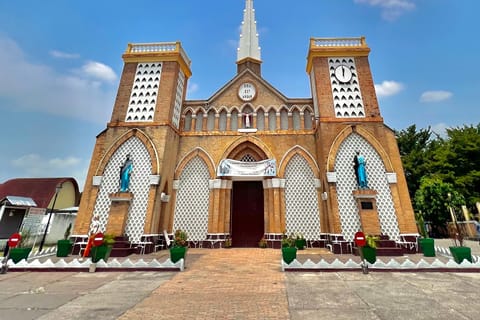
The Corniche follows the Congo River along Brazzaville's southern edge and delivers the single most arresting urban panorama in Central Africa. You will see Kinshasa's towers and construction cranes rising directly across the water. Fishermen's pirogues thread between the two capitals. The vast Pool Malebo stretches east until it dissolves into equatorial haze. Walk it in late afternoon, right after the daily storm breaks the heat. The temperature drops noticeably. The sky cracks open into copper and violet. Brazzaville's residents pour out to stroll, jog, and lean on concrete railings while watching the river darken. From the Corniche, the heritage circuit threads north past the Case De Gaulle. Charles de Gaulle ran the Free French resistance from this improbable equatorial outpost during the Second World War. The path continues up to the Basilique Sainte-Anne du Congo. The basilica displays a swooping green-tiled roof. Roger Erell designed it. They completed the structure in 1943. It remains one of the most striking pieces of religious architecture on the continent. Step inside and the acoustics shift immediately. Footsteps echo off the vaulted ceiling. Whispers carry further than they should. Filtered light through stained glass feels cool against your skin even when the air outside sits at thirty-two degrees and climbing. Breathe it in.
Booking Tip: This circuit runs smoothly when you follow a map on your own or hire a local heritage guide to reveal historical layers the buildings never advertise. Make plans early. The full walk covers roughly 4 km (2.5 miles) and takes two to three hours at a comfortable pace. Check the booking section below for current walking tour options.
Market Food Immersion at Marche Total
April marks the month to eat your way through Brazzaville's largest market. Marche Total forms a roofed labyrinth where the air hangs thick with smoked river fish. You will smell the earthy sweetness of palm oil warming in dented metal basins. You will catch the sharp green scent of freshly pounded cassava leaves on their way to becoming saka-saka. Vendors allow tastings when you approach with curiosity rather than a camera. Taste the sour tang. Sample the slick richness of moambe paste made from crushed palm nuts. Bite the savory crunch. Fried caterpillars wear salt and ground chili. The prepared-food stalls along the market's inner corridors dish out poulet moambe. This dish includes chicken braised in palm nut sauce until the meat slides off the bone and the orange sauce coats your fingers. Eat it alongside chikwangue. This dense fermented manioc loaf wraps banana leaves and anchors Central Africa's staple starch. Make reservations. Check your map. Go before 10 AM. The market stays at its loudest and fullest then. Fish stalls remain iced. The heat has not yet turned the covered aisles into a sauna. April's harvest surplus keeps the produce sections stacked deep with plantains, peppers, and leafy greens. Dry-season shoppers never see this quantity.
Booking Tip: A guided food walk with a Lingala-speaking guide transforms this from overwhelming to navigable. Arrive early. Make plans early. Book through local cultural operators a few days ahead. Mention dietary restrictions in advance. Check the booking section below for current food tour options.
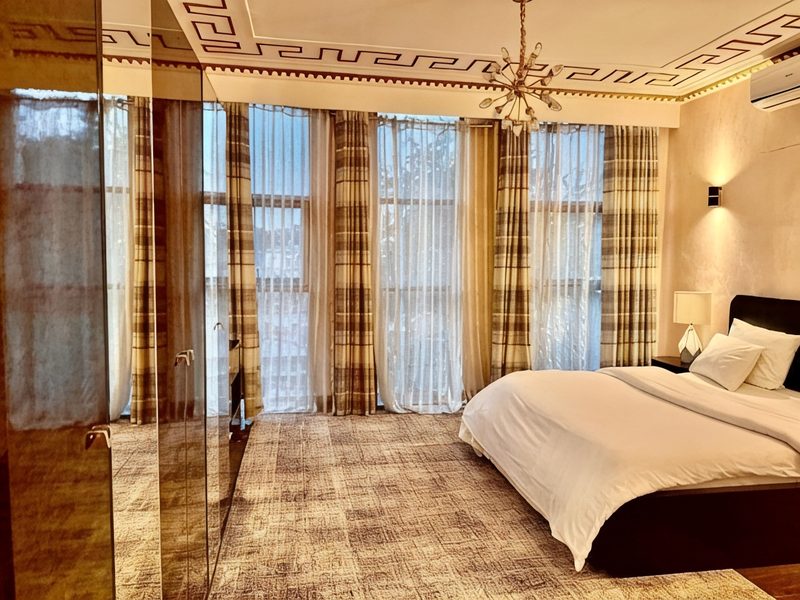
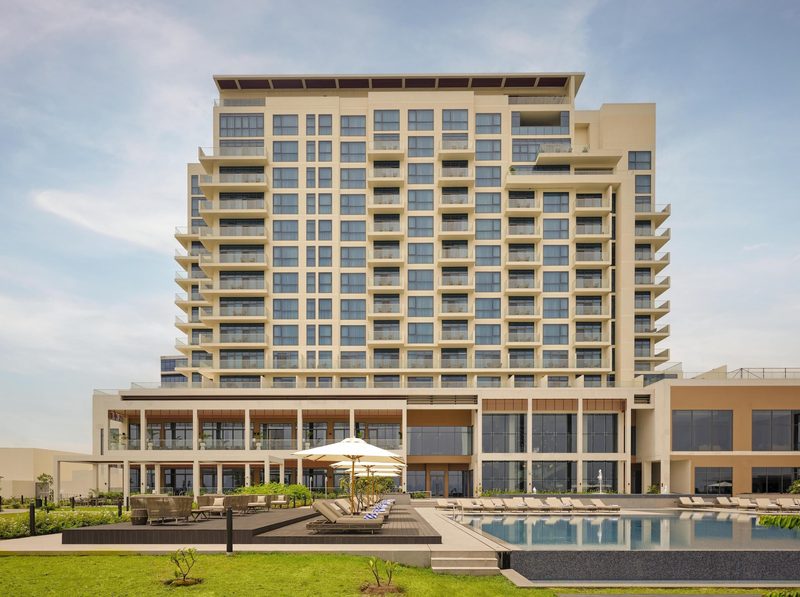
Where to Stay in Brazzaville in April
Hand-picked hotels across price tiers for April travellers.
Public Holidays in April
Dates that affect opening hours, transport and crowds
Dimanche de Pâques
Known in English as Easter Sunday. Observed nationwide as a public holiday.
Lundi de Pâques
Known in English as Easter Monday. Observed nationwide as a public holiday.
Packing Checklist
Bookmark this page — your progress is saved between visits
Need the full list with shopping links?
Climate-specific gear, brand recommendations, and what to leave at home.
View Brazzaville Packing List →Essential Tips
Insider knowledge and common pitfalls to avoid
Insider Knowledge
The best hour in Brazzaville comes right after the afternoon storm breaks. The temperature drops several degrees. The air fills with the smell of wet laterite and woodsmoke from charcoal grills reigniting across the city. Brazzaville comes back to life. The Corniche fills with walkers. The sapeurs emerge in Bacongo. The light turns the Congo River into liquid copper. Build your outdoor schedule around this window. Do not fight the midday furnace.
Lingala is Brazzaville's street language despite French being official. Learn three words. Mbote means hello. Matondo means thank you. Nkolo means sir. This shifts your entire experience. Market vendors relax their prices. Taxi drivers stop rounding up. People open conversations instead of closing transactions. French gets you understood. Lingala gets you welcomed.
Brazzaville and Kinshasa sit barely 1.6 km (1 mile) apart across the Pool Malebo. This is the closest pair of national capitals on earth. The view from the Corniche at dusk is extraordinary. Watch Kinshasa's eleven million people light up across the water. This is one of the great urban panoramas on the African continent. A regular ferry crossing exists. It requires a DRC visa arranged well in advance. You need tolerance for bureaucratic unpredictability at the border. Sort the paperwork before you arrive. Or simply enjoy the view.
Brazzaville is broadly safer than its regional reputation suggests. It is considerably calmer than Kinshasa across the water. April's wet season brings specific considerations. Petty theft increases around major markets when sudden rain drives crowds under cover. Visibility drops. Keep valuables in a front-body bag rather than a backpack. After dark, take taxis rather than walking in neighborhoods away from the city center. Police checkpoints are routine and nonthreatening. Carry a photocopy of your passport and visa. Do not risk the original in a rain-soaked document check.
Brazzaville is the birthplace of Congolese rumba. The live music scene still beats in clubs and bars along the Corniche and through Poto-Poto. The sound is unmistakable. Layered guitars weave around a snaking bass line. Call-and-response vocals in Lingala fill the room. The rhythm section makes sitting still feel like an act of will. Shows rarely start before 10 PM. They run deep into the early hours. Ask your accommodation or guide for current venue recommendations. Lineups shift weekly. The best nights are often unannounced.
Sunday afternoons in Bacongo are when SAPE culture is most visible. Sapeurs gather along commercial streets and near the neighborhood cemetery. This is not scheduled. There is no entry fee. Practitioners choose when to dress and walk. Dress with some intention yourself. Ask before photographing anyone. What you are watching is cultural expression with decades of meaning behind it. This is not a street performance put on for visitors.
Avoid These Mistakes
Do not book flights to Kinshasa's N'Djili Airport (code FIH) instead of Brazzaville's Maya-Maya Airport (BZV). The two cities stare at each other across the river. They sit in different countries with entirely separate visa regimes. A booking error lands you in the Democratic Republic of the Congo instead of the Republic of the Congo. This mistake is expensive. It is time-consuming. It is surprisingly common among first-time visitors who do not realize there are two Congos.
Do not try to walk long distances between 11 AM and 3 PM. Brazzaville's blocks are longer than they look on a map. Shade is sparse outside the old colonial quarter near the Corniche. 32°C (90°F) at 82% humidity is not discomfort you push through. It is the kind that puts you in bed for the rest of the day with heat exhaustion. Use taxis during midday. Save your walking for early morning. Or use the post-storm late afternoon window when the city cools down.
Do not arrive without a valid yellow fever vaccination certificate. This is not a recommendation. This is not a formality. Immigration officers at Maya-Maya check the physical card. Travelers without it have been turned around and placed on the next departing flight. The vaccine must be administered at least 10 days before your arrival date to be considered valid. Do not leave this for the last week before travel.
Ready to plan your trip to Brazzaville?
Now that you've got the research covered, here's where to go next.
Book Experiences in Brazzaville
Top-rated things to do in Brazzaville this April

Explore More Activities in Brazzaville
Didn't see anything interesting yet?
Browse Viator's full catalog of tours, day trips, food experiences, and private guides in Brazzaville.
See All Brazzaville Tours on Viator