Things to Do in Brazzaville in November
November weather, activities, events & insider tips
Low Season · Budget Friendly
November Weather in Brazzaville
Long-run averages for November
88°F (31°C)
High Temp
72°F (22°C)
Low Temp
10.4 inches (264 mm)
Rainfall
83%
Humidity
12
Sunny-Day UV
⚠ November is Brazzaville's wettest month. Intense tropical downpours can cause rapid localised flooding, in lower-lying arrondissements and unpaved roads. Avoid low-ground routes during and immediately after heavy rain, and confirm road conditions before any excursion outside the city center.
⚠ Peak mosquito and malaria transmission season. Standing water from daily rains creates breeding habitat across the city. Anti-malarial prophylaxis is essential, not optional. Use DEET-based repellent and sleep under treated nets even in air-conditioned rooms if windows are opened.
⚠ Thunderstorms with significant lightning are common in the afternoon and evening hours. Avoid exposed elevated positions, riverbanks, and open ground during electrical storms. The Djoué rapids excursion and any riverside walks should be completed by midday.
Is November Right for You?
Weigh the advantages and considerations before booking
Advantages
- + Brazzaville's surrounding landscape turns almost impossibly green in November. The laterite earth that bakes ochre-red during the dry months disappears under a thick wash of tropical vegetation. Scrubby lots between Bacongo and Makélékélé sprout enough foliage to soften the city's concrete edges. Photographers will find the Congo River corridor at its most dramatic now. Water runs high and fast against banks fringed with deep green. It works. The light is perfect.
- + Tourist crowds already thin in Brazzaville by global standards drop to nearly nothing in November. You will likely have the Pierre Savorgnan de Brazza Mausoleum to yourself on a weekday morning. The Poto-Poto art ateliers welcome visitors with unhurried attention that vanishes when dry-season tour groups pass through. The city feels more itself now. Skip the rush. Visit early. It works well fine.
- + November falls in the middle of Brazzaville's cultural calendar leading up to year-end celebrations. The live music scene picks up as bands rehearse and venues book more acts. Congolese rumba was born in this city. The tradition is still very much alive. The sound of sebene guitar riffs drifting out of open-air bars in Bacongo on a Saturday night is one of those sensory memories that sticks with you long after you leave. It lingers. Go out. You will remember it.
- + Accommodation rates tend to soften in November compared to the drier months when business conferences and NGO delegations drive demand. Brazzaville is never a budget destination. This is an oil-economy capital where even modest lodging runs higher than you would expect. November gives you slightly more negotiating room. Properties that require advance booking in July or August may have same-week availability. Haggling helps. Booking later works. Save money.
Considerations
- − November is Brazzaville's wettest month, and there is no sugarcoating it. 264 mm (10.4 inches) of rain falls in intense tropical downpours that can turn unpaved roads into ankle-deep mud within minutes. The storms typically hit hardest in the afternoon and evening. Outdoor plans after about 1 PM need a flexible backup. Some roads in outer arrondissements become completely impassable during heavy bursts. Taxis may refuse certain routes. Carry an umbrella. Stay dry. Watch the sky.
- − Mosquitoes thrive in the standing water that collects after daily rains. November is peak season for malaria transmission in Brazzaville. This is not a theoretical risk. It is the primary health concern for travelers in the wet months. Anti-malarial prophylaxis is non-negotiable. The humidity at 83% also means you are perpetually damp. Indoor spaces without air conditioning will wear on you after a few days. Take pills. Bring a fan. Sleep well.
- − The combination of heat, humidity, and unpredictable afternoon storms limits your effective sightseeing window to roughly 7 AM to noon on most days. If you are the type of traveler who wants to pack twelve hours of activity into a day, November in Brazzaville will frustrate you. The city rewards a slower pace. You need to accept that pace rather than fight it. Slow down. Move carefully. Enjoy the weather.
Best Activities in November
Top things to do during your visit
Congo River Waterfront and Corniche Walking Tours
The Congo River in November runs high and muscular, brown with upstream sediment. Watching it from La Corniche, the paved riverside promenade that stretches through the city center, is a different experience than in the dry season when the water drops and sandbars emerge. Early morning, before the heat clamps down, the air along the river carries a mineral dampness mixed with woodsmoke from fishing camps on the far bank. You can see Kinshasa's skyline across the water. It is close enough to make out individual buildings. The two capitals sit barely 1.5 km (just under a mile) apart, the closest pair of national capitals anywhere on earth. The light before 8 AM tends to be soft and golden. Residual cloud cover filters the view. River traffic of pirogues and barges is already moving. By midday the humidity becomes oppressive. This is strictly a morning activity in November. Go now. Watch the water. Leave before noon. Be early.
Booking Tip: Guided walking tours of the waterfront area can be arranged through local operators. Look for guides affiliated with cultural associations rather than hotel concierge referrals, which tend to be generic. Book a day or two ahead. See current tour options in the booking section below. Plan early. Confirm details. Book fast.
Poto-Poto Art District and Painting School Visits
The Ecole de Peinture de Poto-Poto, founded in 1951, is one of Central Africa's most important art institutions. Visiting the ateliers in November means you catch artists at work rather than selling. The rainy season keeps casual browsers away. The painters, many of whom trained in the school's distinctive style of bold color and circular composition, are more inclined to talk about technique and meaning when the pressure to sell eases. The neighborhood itself is dense and loud even in the rain. The smell of palm oil frying in nearby market stalls mixes with turpentine and acrylic. Narrow covered walkways between studios echo with radio music and conversation in Lingala. November's overcast mornings produce better light for viewing art than the harsh dry-season glare. The school's interior courtyard, shaded by mango trees, stays cool enough to linger. Watch closely. Listen carefully. Stay awhile.
Booking Tip: The painting school is open to visitors without formal booking. Having a French-speaking guide makes the experience substantially richer. Most artists speak limited English. Arrange a guide at least two to three days ahead through a licensed cultural tour operator. Check current guided options in the booking section below. Pay ahead. Confirm plans. Go prepared.
Bacongo Neighbourhood and Sapeur Culture Encounters
Bacongo is the spiritual home of the Sapeurs, the Société des Ambianceurs et des Personnes Elégantes, and November's cooler evenings (dropping to around 22°C / 72°F after sundown) are when these self-taught dandies come out in their most theatrical combinations of tailored suits, silk pocket squares, and crocodile-leather shoes. The Sapeur tradition is not performance for tourists. It is a held philosophy of dignity through elegance that dates back decades, rooted in the colonial-era practice of Congolese men using European clothing as a form of cultural resistance. Walking through Bacongo on a Sunday afternoon, you will hear the click of polished heels on concrete, catch the scent of cologne and hair pomade, and see men striking poses against crumbling colonial-era buildings with absolute seriousness. The contrast between the faded pastel walls and the immaculate fabrics is Brazzaville in a single frame. A local guide from the neighbourhood is essential, without one, you are an outsider photographing people without context, and that is neither respectful nor interesting.
Booking Tip: Cultural walking tours of Bacongo with Sapeur encounters should be arranged through operators who have genuine relationships in the community, not staged photo opportunities. Book at least a week ahead, as the best guides have limited availability. See the booking section below for current options.
Basilique Sainte-Anne du Congo and Colonial Architecture Circuit
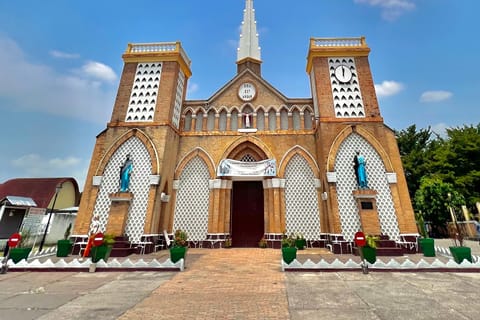
The Basilique Sainte-Anne is Brazzaville's most striking building, a soaring green-tiled spire visible from across half the city, with an interior that stays noticeably cool even without air conditioning thanks to the barrel-vaulted ceiling design. In November, the rain-washed air outside makes the stained glass throw deeper colours onto the stone floor, and the building is typically empty enough that you can hear your own footsteps echo. Beyond the basilica, Brazzaville's colonial-era architecture is scattered but worth tracking down: the Case De Gaulle, the old governor's residence, and the crumbling but atmospheric buildings along Avenue Amilcar Cabral tell a complicated story of French colonial ambition and post-independence adaptation. The morning hours between 7 and 11 AM are your window, the light is manageable, the rain has not yet started, and the streets have an energy that fades once the afternoon heat and storms arrive.
Booking Tip: The basilica is open to visitors and does not require advance booking, but a guide who understands the colonial and religious history of Brazzaville turns a thirty-minute walkthrough into a half-day architectural exploration. Book a guided heritage tour two to three days ahead. Current guided options are available in the booking section below.
Marche Total and Brazzaville Market Food Tasting
Marché Total is Brazzaville's largest market, and in November the stalls overflow with wet-season produce: fat, glossy plantains stacked in pyramids, bundles of fresh saka-saka leaves (pounded cassava greens that form the base of the national cuisine), and piles of smoked river fish whose sharp, campfire scent hits you from three stalls away. The market is loud, close, and humid, vendors call out in Lingala and Kituba over the hiss of charcoal grills where brochettes of goat and beef sizzle alongside blackened ears of corn. November's rains make the covered sections of the market the better bet. The open-air periphery turns muddy fast. The food you want to find is poulet moambé, chicken braised in a thick, rust-coloured palm nut sauce that tastes of earth and smoke and a faint sweetness, served with fufu or fried plantains. It is the Republic of the Congo's national dish, and eating it at a market stall, standing up, while rain drums on the corrugated roof above you, is the version of Brazzaville that no hotel restaurant can replicate.
Booking Tip: Market visits are best experienced with a local guide who speaks Lingala and can navigate both the layout and the food safely. Guided food-focused market tours should be booked two to three days ahead. Look for current options in the booking section below.
Les Rapides du Djoué River Excursion
The Djoué River rapids sit about 15 km (9.3 miles) south of central Brazzaville, where the tributary crashes over exposed rock shelves before joining the Congo. In November, the water volume transforms what is a scenic but gentle cascade in the dry months into a powerful rush of brown water that you can hear from the access road. The surrounding forest is at its most dense and vocal, frogs, cicadas, and birdsong create a wall of sound that feels like it belongs to a place much wilder than a spot twenty minutes from a capital city. The rocks along the bank are slippery after rain, so decent footwear is non-negotiable. Swimming is not advisable when the water is this high and fast. But the visual spectacle and the cooler air near the rapids make it one of the best half-day escapes from Brazzaville's urban heat. Go in the morning. The afternoon storms make the access road difficult and the open rocks dangerous during lightning.
Booking Tip: Arrange transport through a reputable local operator rather than hailing a taxi, as the return trip can leave you stranded if your driver does not wait. Book a day ahead and confirm the road conditions that morning. See current excursion options in the booking section below.
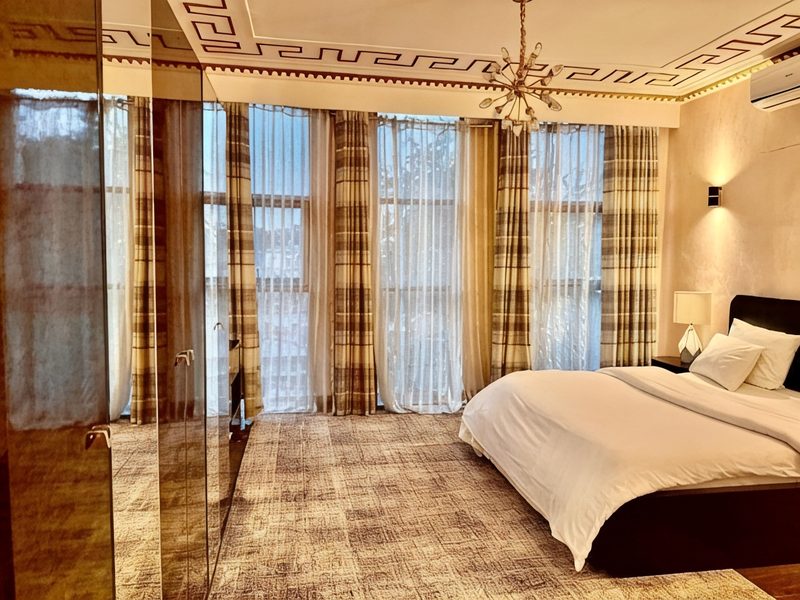
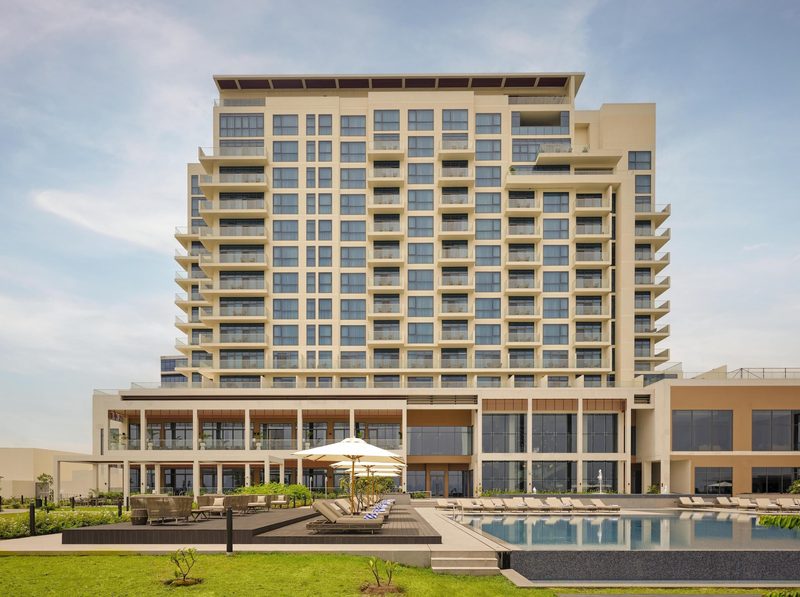
Where to Stay in Brazzaville in November
Hand-picked hotels across price tiers for November travellers.
Public Holidays in November
Dates that affect opening hours, transport and crowds
Toussaint
Known in English as All Saints' Day. Observed nationwide as a public holiday.
Jour de la République
Known in English as Republic Day. Observed nationwide as a public holiday.
Toussaint
Known in English as All Saints' Day. Observed nationwide as a public holiday.
Jour de la République
Known in English as Republic Day. Observed nationwide as a public holiday.
Toussaint
Known in English as All Saints' Day. Observed nationwide as a public holiday.
Jour de la République
Known in English as Republic Day. Observed nationwide as a public holiday.
Packing Checklist
Bookmark this page — your progress is saved between visits
Need the full list with shopping links?
Climate-specific gear, brand recommendations, and what to leave at home.
View Brazzaville Packing List →Essential Tips
Insider knowledge and common pitfalls to avoid
Insider Knowledge
Brazzaville's mornings are the secret the city keeps from people who sleep past 8 AM. Between 6 and 7 AM, before the heat and humidity lock in, the riverfront air is almost cool, the light is low and golden, and the city moves at a pace that feels human. By 10 AM the atmosphere thickens to the point where walking three blocks leaves you soaked in sweat. Plan every outdoor activity for the early window and treat the afternoon as indoor time: a long lunch, a museum visit, or simply retreating to air conditioning. Locals have structured their lives around this rhythm for generations. Fighting it is a losing battle.
French is the official language. But Lingala is what Brazzaville speaks. In markets, taxis, and bars, a few Lingala greetings (mbote for hello, matondo for thank you) will change interactions more than fluent French will. Taxi drivers in particular respond to Lingala with visible warmth, and it signals that you have spent time here rather than simply passing through. Most guides speak French, many speak some English. But almost all conversations of substance happen in Lingala.
Safety in Brazzaville is manageable with basic urban awareness, but November's early darkness (sunset around 6 PM near the equator) means you lose daylight quickly. Petty theft rises after dark, around markets and transport hubs. Avoid displaying phones or cameras after sundown. Stick to well-lit main roads. Use pre-arranged transport rather than flagging taxis on the street at night. The city is not dangerous in the way that reputation might suggest. But it rewards caution over bravado.
The Congo River ferry crossing to Kinshasa is one of the most surreal border crossings on the continent. Two national capitals separated by a fifteen-minute boat ride. But the bureaucratic process of obtaining the required laissez-passer and clearing immigration on both sides can consume half a day. If you plan to cross, sort the paperwork at least two days ahead and go on a weekday morning when the queues are shorter. Do not attempt it on a public holiday or Friday afternoon.
Avoid These Mistakes
Assuming Brazzaville is Kinshasa. The two cities face each other across the Congo River. But they are in different countries with different currencies, different visa requirements, different languages of daily life (Lingala dominates Brazzaville, Lingala and French in Kinshasa. But the cultural feel is distinct), and very different security situations. Confusing the Republic of the Congo with the Democratic Republic of the Congo is the single fastest way to signal that you have done zero homework, and it matters practically: your visa, your currency, and your mobile phone plan are all country-specific.
Scheduling outdoor activities in the afternoon. November's storms do not politely drizzle. They arrive fast, hit hard, and turn streets into temporary rivers within fifteen minutes. Travelers who plan their major excursions for after lunch consistently lose two to three hours waiting out weather, and some sites (the Djoué rapids, outdoor markets) become difficult or unsafe to access once the rain starts. Morning is your entire working day. The afternoon is for covered activities, meals, and rest.
Skipping anti-malarial medication because the city feels urban and modern. Brazzaville is a capital city with air-conditioned hotels and paved boulevards, and first-time visitors sometimes assume that malaria is a rural concern. It is not. The standing water from November's constant rain creates breeding conditions across every arrondissement, and the Anopheles mosquitoes that carry Plasmodium falciparum are most active at exactly the hours when you might be sitting at an open-air bar watching live music. Prophylaxis is a basic requirement, not a precaution for the anxious.
Ready to plan your trip to Brazzaville?
Now that you've got the research covered, here's where to go next.
Book Experiences in Brazzaville
Top-rated things to do in Brazzaville this November
Explore More Activities in Brazzaville
Didn't see anything interesting yet?
Browse Viator's full catalog of tours, day trips, food experiences, and private guides in Brazzaville.
See All Brazzaville Tours on Viator